Over a decade ago I started a community philosophy group. A group of people interested in philosophical enquiry met once a week for six or seven years. We talked about happiness, about power and greed, about truth, about kinship, about friendship. We discussed these ideas earnestly as if they were life and death matters. Some of the topics challenged us to overcome assumptions and biases and just plain stubbornness. We all got along. No one stopped speaking to each other. We laughed as much as we argued.
I miss those weekly discussions. I miss the friends I made during those intense evenings. Every now and then, I am tempted to start another community group and then I remember that to truly understand philosophy, you have to put some of its ideas into practice. For philosophy to come alive beyond the seminar room, it has to encounter the sticky terrain of real life.
By chance this week I met a student from those early days and as we caught up on news, he reminded me that a decade had passed since I launched those community classes. He wanted to know what lessons I had learned in a decade – what wisdom could I offer from this stretch of time?
I fumbled as tried to wrap my mind around ten years. Did anything leap out? Only how incredibly packed those years had been. Only my astonishment at having to confront a span of time and try to condense it into coherent lessons.
Life is teaching us something every moment. To reach back over the decade and try to extrapolate something useful and pithy to share for the benefit of others is beyond my scope. I know only that I learned some lessons that have brought me closer to understanding my role as a teacher of philosophy as a facilitator of wonder and curiosity at the world itself. Not to provide the answers, but to stimulate the questions.
If just one of my philosophy students got to considering life’s huge questions without expecting answers, that would open up the world to them and all who connected with them. That would be a lesson worth learning.
Because my student asked, though, I have given the question some thought. What has been important in my philosophical journey is the shift of emphasis from ‘why’ to ‘how.’ In the early days of learning I wanted to know why we existed at all and why certain situations turned out the way they did – why did some people struggle so much and others seem to glide through life relatively easily? Why are relationships so testing when we need other people so much? Why is the world lurching from crisis to crisis when we are more educated than ever before? Why are we not learning the lessons we need to learn about to living alongside those with whom we disagree?
The question for me now is not why, but how. I know from deep personal experience how easy it is to fall into why questions about the sudden and seemingly cruel nature of loss. At this point in my life, asking how I can live with heartbreak and still find joy is the ultimate question, indeed the only question I wish to explore.
There are many ways to live with how. I will leave you with three questions which may never get asked in a traditional philosophy seminar, and which are most pressing right now:
How do I get up and feel the pulse of life when it is dark?
How do I navigate my way through a day filled with minor irritations without adding my own?
How do I find connection, community and companionship in true heart bonds?
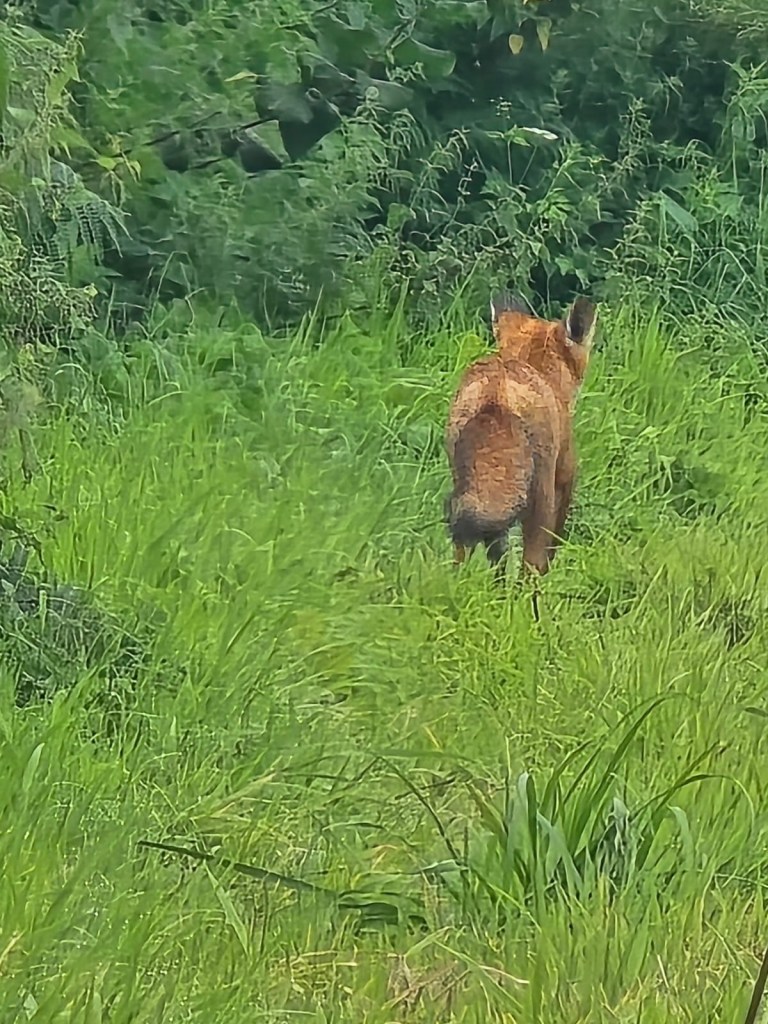
How do I live more attuned to my senses like the fox I saw most evenings as summer sank into autumn?


 Horsemanship for Health